
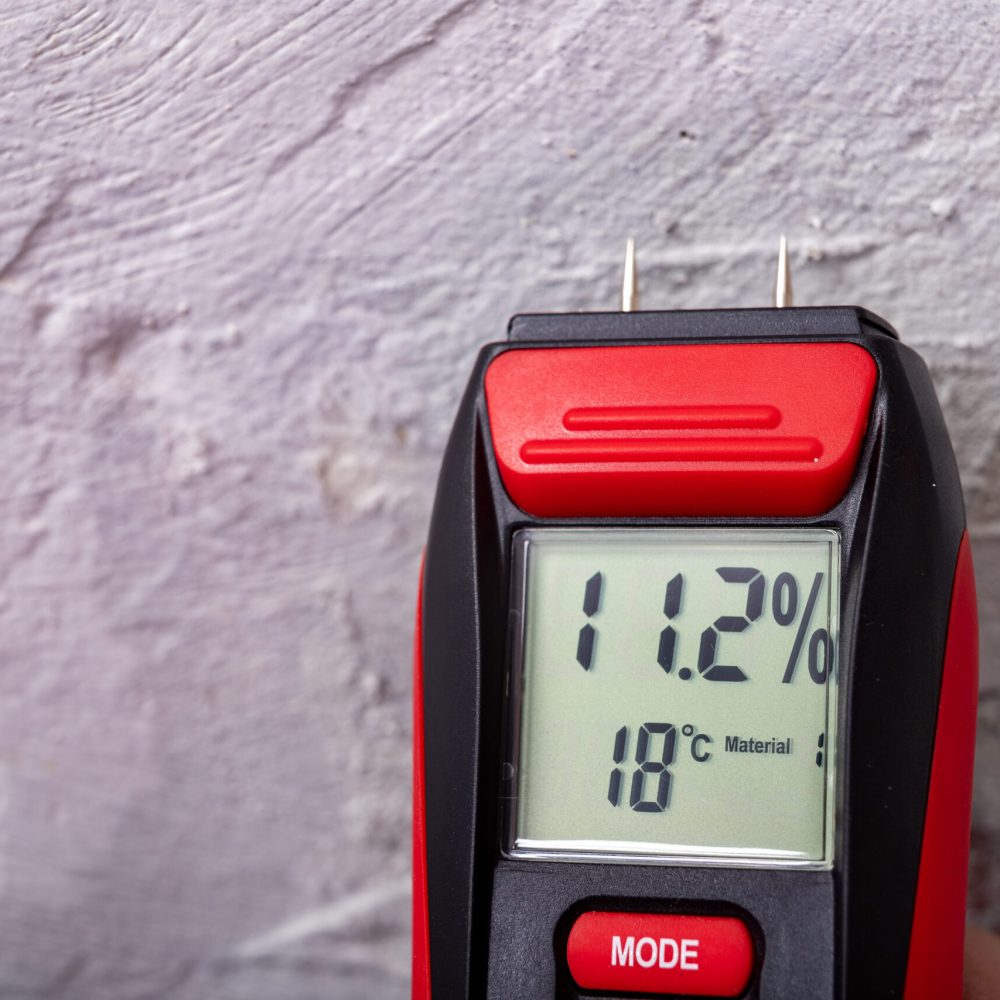
Winter in Northeast Florida might not look like “real winter,” but don’t let the mild temps fool you. Mold doesn’t need snow to grow, it needs moisture. And during the cooler months, many homes around St. Augustine and Jacksonville can actually become more vulnerable to hidden dampness and indoor air quality issues.
When windows stay shut, the heat runs more, and indoor humidity shifts, small problems, like window condensation, minor roof or plumbing leaks, or damp storage areas, can quietly turn into mold growth, often before you ever notice a smell.
Here’s a practical homeowner guide to help you catch the warning signs early and avoid expensive repairs later.
Why Winter Can Increase Mold Risk in Northeast Florida Homes
Even here in NE Florida, winter changes how your home “breathes.” Most homeowners:
- keep windows shut more often
- run heat more consistently
- take longer/hotter showers
- use humidifiers (sometimes)
- store more items in closets, garages, attics, and storage rooms
All of that can raise indoor humidity and lead to condensation, basically moisture settling onto cooler surfaces (often in spots nobody checks).
And in humid areas like Jacksonville and St. Augustine, humidity is always in the mix, even when it feels cooler outside.
Window Condensation Is a Warning Sign You Shouldn’t Ignore
A little fog on a window might seem harmless, but it’s often your first clue that moisture levels are running high.
What it can mean
- indoor humidity is elevated
- warm, moist air is hitting a cold surface (glass, frames, exterior walls)
- airflow is weak near windows or exterior corners
Why it matters
If condensation keeps forming on:
- window sills and frames
- drywall around windows
- baseboards in cooler rooms
…those materials can stay damp long enough to support mold growth, paint damage, and wood deterioration.
Quick NE Florida tip: If you’re wiping windows often, don’t just “deal with it.” Treat it like a sign to lower humidity and improve airflow.
Overhumidifying: When “Comfort” Turns Into Mold Fuel
Humidifiers can be helpful, but too much humidity is one of the fastest ways to create mold-friendly conditions—especially in a naturally humid region like Northeast Florida.
Common winter mistake
Homeowners crank up a humidifier because the air feels dry… without realizing they’re pushing humidity beyond a safe range.
Practical guidance
Aim for indoor relative humidity around 30–50% (and usually closer to the lower end on cooler nights).
When humidity climbs too high, moisture tends to collect on:
- windows and frames
- exterior walls behind furniture
- inside closets on outside walls
- attic roof decking (in certain conditions)
Quick homeowner tip: A simple hygrometer (humidity gauge) is one of the cheapest tools you can buy to help prevent mold.
Where Winter Moisture Hides in Homes Around St. Augustine & Jacksonville
Winter mold problems are often sneaky. Moisture hides where airflow is weak and temperatures change.
1) Garages, storage rooms, and closets
- overpacked storage blocks airflow
- outside-wall closets can be condensation-prone
- items stored tight against walls trap moisture
2) Attics
- poor attic ventilation can trap moisture
- bathroom fans venting into the attic can introduce warm, moist air
- moisture can condense on cooler surfaces and lead to staining or microbial growth
3) Bathrooms and laundry areas
- showers and laundry add moisture fast
- weak ventilation lets humidity linger
4) Around HVAC and plumbing
- small leaks or sweating pipes can go unnoticed longer
- HVAC drain/condensate issues can affect indoor air quality year-round
Quick homeowner tip: Don’t pack items tight to exterior walls—give closets and storage areas a little breathing room.
Simple Airflow and Ventilation Habits That Make a Big Difference
You don’t need to turn your home into a wind tunnel, just build a few consistent habits:
- run bathroom exhaust fans during showers and 15–20 minutes after
- use the kitchen hood fan when cooking (especially boiling/simmering)
- keep interior doors open periodically to balance airflow (especially unused rooms)
- move furniture slightly off exterior walls in cooler rooms
- replace HVAC filters regularly and keep supply/return vents unblocked
If a room always feels stuffy or smells musty, that’s worth looking into, even in winter.
Why Winter Is a Great Time for Mold or Indoor Air Quality Testing in Northeast Florida
A lot of homeowners think, “I’ll deal with air quality in spring.”
But winter is often when indoor air issues are most noticeable, because the house is sealed up and everyone spends more time inside.
Testing during the cooler season can be especially helpful if:
- there’s persistent window condensation
- a musty odor comes and goes
- someone has allergy-like symptoms indoors
- there was a past roof leak, plumbing leak, or water event
- certain rooms feel damp, stale, or “off”
It’s also a smart time to establish a baseline and catch issues early, before warmer, more humid months speed things up.
Bottom Line: Mold Risk Is About Moisture, Not Temperature
Winter can absolutely be mold season in Northeast Florida—it’s just a quieter one.
The best approach is simple:
- watch for condensation
- keep humidity in check
- improve airflow in trouble spots
- don’t ignore small leaks or musty smells
Need a second set of eyes?
If you’re in St. Augustine, Jacksonville, or St. Johns County and you’re seeing moisture signs (condensation, musty smells, staining, or past leaks), a professional evaluation can help you figure out what’s going on before it becomes a bigger problem.
Bobcat Home Inspector helps homeowners spot moisture issues early—with a practical, non-alarmist approach and clear reporting.