
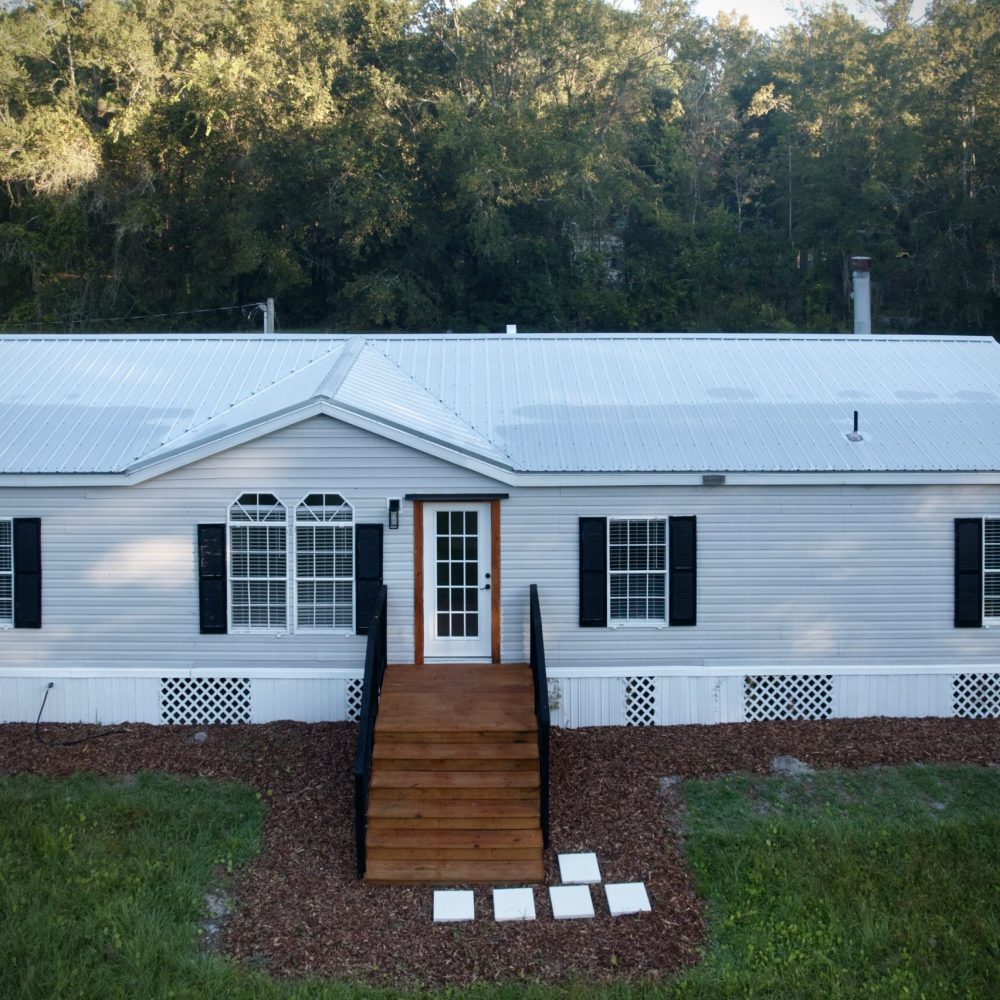
Manufactured home engineering certifications are a common part of real estate transactions across Northeast Florida. They often come up during financing and can be a key step in keeping a sale on track.
One of the biggest points of confusion is what happens when a property has added features like porches, steps, decks, or carports. Many buyers and sellers assume those items are automatically included in the certification, but that is not always the case.
Understanding that difference early can help prevent delays and last-minute surprises before closing.
What a Manufactured Home Engineering Certification Typically Covers
A manufactured home engineering certification is generally focused on the manufactured home itself and how it is installed.
This type of certification is typically intended to verify that the home meets structural and lender-related requirements for installation, such as:
- Proper foundation support
- Tie-down or anchorage requirements
- Structural setup of the manufactured home
- General compliance with HUD and lender expectations tied to the main home structure
The main takeaway is that the certification is centered on the manufactured home, not necessarily every structure attached to it.
Why Additions Are Often Evaluated Separately
Features like decks, stairs, covered porches, and carports are commonly added after the original home installation. Because of that, they may not fall under the same certification scope.
These additions are often treated separately because they may have been:
- Built after the home was set
- Installed by a contractor or homeowner
- Constructed without engineering documentation
- Attached in different ways depending on the property
From an engineering perspective, the key issue is whether the addition is self-supporting or whether it is relying on the manufactured home for structural support.
If an addition depends on the home for support, it may require additional documentation or a separate engineering review.
Additions to Flag Early
It’s a good idea to address additions upfront when a manufactured home has features such as:
- Covered front or rear porches
- Attached carports
- Large decks
- Entry platforms and stairs
- Enclosed or partially enclosed add-on areas
Even if a lender does not initially request additional documentation, identifying these items early helps everyone stay prepared.
How to Avoid Last-Minute Surprises
The best approach is simple: review the property early and determine which structures are part of the manufactured home certification scope and which may need separate consideration.
This helps:
- Buyers understand possible lender requirements
- Sellers avoid unexpected delays
- Realtors keep transactions on schedule
Everyone make informed decisions before closing gets tight
Final Takeaway
A manufactured home engineering certification is typically focused on the home itself and its installation. Additions like porches, decks, steps, and carports may be treated separately depending on how they are built and supported.
Because no two properties are exactly the same, identifying those features early is one of the best ways to prevent delays and keep the closing process on track.