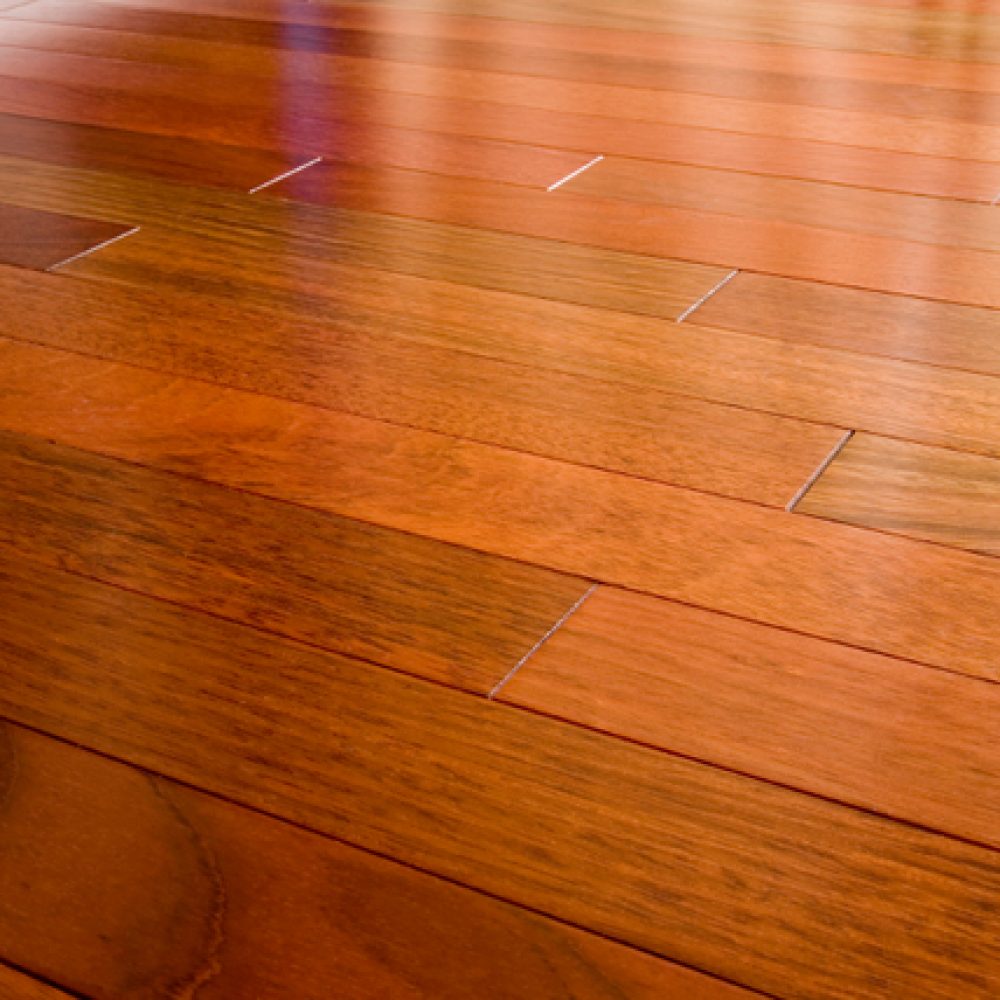
Luxury vinyl plank flooring, commonly called LVP, has become one of the most popular flooring choices in Florida. It looks great, is easy to maintain, and is often advertised as waterproof. However, waterproof flooring does not mean moisture cannot become trapped underneath it. In Florida homes, especially those built on concrete slabs, moisture can move through the concrete, enter from plumbing leaks, or collect beneath the flooring because of high indoor humidity. Since LVP has a water-resistant or waterproof backing, that moisture may have nowhere to escape. Over time, this hidden moisture can create musty odors, damage flooring materials, and support mold growth underneath the planks.
Why Moisture Gets Trapped Under LVP Flooring
Concrete may look completely dry while still allowing water vapor to pass through it. This is particularly important in Florida because of our humid climate, frequent rain, high groundwater conditions, and year-round air-conditioning use. Once LVP is installed over a concrete slab, it can act like a lid. Moisture coming through the slab may become trapped between the concrete and the flooring.
Moisture can also enter beneath LVP from:
- Refrigerator or ice-maker supply-line leaks
- Dishwashers and washing machines
- Water heaters
- Plumbing leaks beneath cabinets or inside walls
- Exterior doors and sliding-glass doors
- Flooding or household spills
- High indoor humidity and condensation
Because LVP is designed to resist water, a hidden leak may spread beneath several planks before anyone notices a problem.
Can Mold Grow Under Waterproof LVP?
The vinyl or stone-polymer portion of the flooring may not rot like wood. However, mold does not necessarily grow directly on the LVP. Mold can feed on household dust, construction debris, adhesives, floor-leveling compounds, drywall, baseboards, paper backing, cork, felt, and other organic materials beneath or around the flooring. All mold needs is moisture, an available food source, and enough time to grow. This means a waterproof floor can still conceal a serious moisture problem underneath it.
Warning Signs of Moisture Under LVP Flooring
Moisture and mold beneath LVP flooring are not always visible. Homeowners should pay attention to the following warning signs:
- Persistent musty or earthy odors
- Soft or spongy areas beneath the floor
- Flooring that feels loose or unusually hollow
- Planks lifting, separating, buckling, or peaking at the edges
- Moisture appearing between plank joints
- Swollen baseboards or door trim
- Discoloration near walls or flooring transitions
- Recurring moisture near appliances or exterior doors
These conditions do not automatically confirm mold, but they may indicate trapped moisture that should be investigated.
Test the Concrete Slab Before Installing LVP
One of the most important steps in any LVP installation is testing the concrete slab for moisture. The surface of the concrete may appear dry even when excessive moisture vapor is present deeper inside the slab. Before installing flooring, a qualified flooring professional should perform the moisture testing required by the flooring manufacturer. Common testing methods include:
- In-slab relative humidity testin
- Calcium chloride moisture-emission testing
- Manufacturer-approved concrete moisture testing
A handheld moisture meter can help identify suspicious areas, but it should not replace the testing required by the flooring manufacturer. Installing LVP without properly testing the slab may lead to flooring failure, trapped moisture, mold growth, damaged adhesives, and possible warranty problems. Use the Correct Vapor Barrier or Moisture-Mitigation System
A proper moisture-control system may be necessary before installing LVP over concrete. Depending on the flooring product and the slab’s moisture level, the installation may require:
- A continuous polyethylene vapor barrier
- A manufacturer-approved moisture-resistant underlayment
- A concrete moisture sealer
- An epoxy moisture-mitigation coating
- A specific adhesive designed for moisture exposure
Not every LVP product has the same installation requirements. Some flooring already has an attached underlayment, while other products require a separate vapor barrier.
Always follow the instructions for the exact flooring product being installed. Using the wrong underlayment or adding an unapproved layer may damage the locking system and void the manufacturer’s warranty.
Avoid Organic Underlayments in Moisture-Prone Areas
Paper, cork, felt, and wood-fiber underlayments may absorb moisture and provide material on which mold can grow. In moisture-prone areas, use only synthetic or closed-cell underlayments approved by the flooring manufacturer. The underlayment must also be the correct thickness. An underlayment that is too thick or too soft may allow excessive movement and damage the plank connections.
Do Not Ignore Expansion Gaps
Floating LVP flooring normally requires expansion gaps around walls, cabinets, door frames, islands, and other fixed objects. These gaps allow the flooring to expand and contract as temperatures and humidity levels change. Expansion gaps should not be filled with rigid material or completely eliminated. In wet areas, some manufacturers may require an approved flexible sealant around the perimeter. Incorrect installation can restrict movement and cause the flooring to lift, buckle, or separate.
Control Indoor Humidity
Even a properly installed floor may develop moisture problems when indoor humidity remains too high. Florida homeowners should try to keep indoor relative humidity below 60 percent, with approximately 45 to 55 percent being a comfortable target for many homes. Helpful ways to control humidity include:
- Keep the air-conditioning system operating consistently
- Avoid turning the AC off for extended periods
- Use a digital humidity monitor
- Replace HVAC filters regularly
- Use bathroom and kitchen exhaust fans
- Install a properly sized dehumidifier when needed
- Have the HVAC system evaluated if humidity remains elevated
- Correct plumbing leaks and condensation immediately
Setting the thermostat too high during hot and humid weather may allow indoor humidity to rise, even when the home does not feel especially warm.
Watch for Hidden Plumbing Leaks
LVP may protect the visible floor surface while allowing water to spread underneath it. Homeowners should regularly check around:
- Refrigerators
- Dishwashers
- Washing machines
- Water heaters
- Toilets
- Sinks and vanities
- Exterior doors
- Sliding-glass doors
Water-leak alarms can provide an affordable early warning near appliances and water heaters. Even a small leak should be addressed immediately. Waiting until the flooring starts to buckle or smell musty may result in a much larger repair.
What Should You Do If You Suspect Moisture Under LVP?
Do not simply caulk the edges or replace a few damaged planks without finding the source of the moisture. A proper investigation may include:
- Moisture-meter testing
- Infrared thermal imaging
- Indoor-humidity measurements
- Plumbing leak evaluation
- Concrete slab moisture testing
- Selective removal of flooring
- Mold assessment or air-quality testing when appropriate
Infrared cameras and moisture meters can help identify suspicious areas, but they cannot confirm mold through the flooring. In some cases, planks may need to be removed for further evaluation.
Protect Your Florida Home
LVP can be a great flooring option for Florida homes when it is installed correctly. The concrete slab should be properly tested, the required moisture-control system should be installed, and indoor humidity must be managed after installation. The biggest mistake is assuming that waterproof flooring makes the entire flooring system waterproof.
Bobcat Home Inspections helps homeowners, home buyers, and Realtors identify visible moisture concerns, plumbing leaks, elevated humidity, and other conditions that may lead to hidden flooring damage. We proudly serve St. Augustine, St. Johns County, Jacksonville, Ponte Vedra and surrounding Northeast Florida communities.
Concerned about musty odors, unusual flooring movement, or possible moisture beneath your floors? Contact Bobcat Home Inspections for a professional evaluation.
Bobcat Home Inspector — Looking Out for You.