
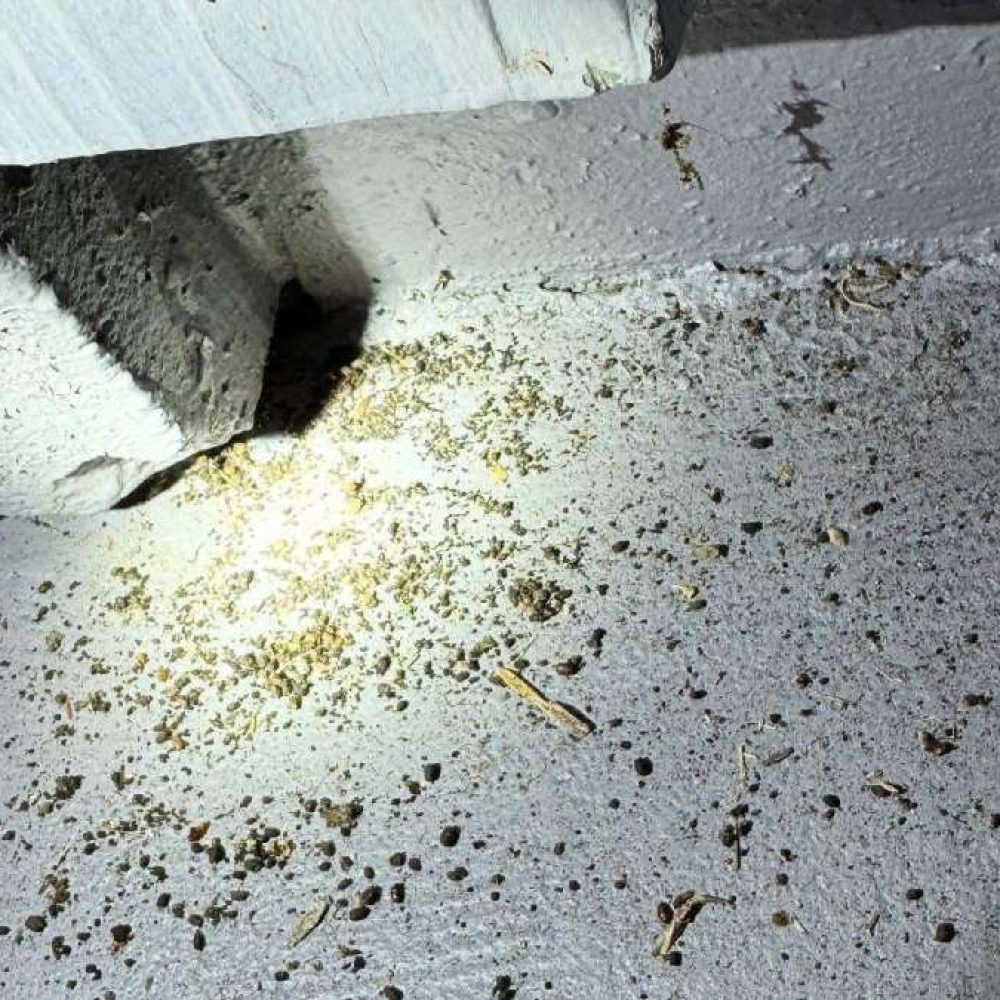
If you own a home in Florida, termites aren’t some rare “maybe one day” issue. They’re just part of the environment here, and they can do real damage if they go unnoticed. The goal isn’t to live in fear or try to make your home 100% termite-proof. The goal is to understand how termites operate, reduce what attracts them, and catch problems early before they turn into expensive repairs.
Where termites typically come from
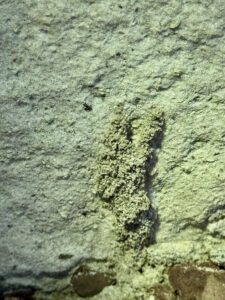
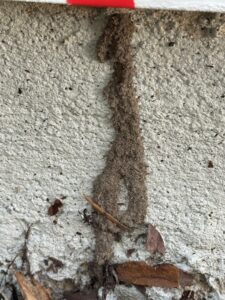
In most cases, termites don’t “move in” overnight. They’re already out in the environment—especially in the soil—and they’re constantly searching for food and moisture. Subterranean termites are the most common troublemakers, and they usually travel from the ground to the structure through mud tubes. Those tunnels protect them from drying out and give them a direct route to wood.
Other termite types don’t always rely on the soil. Some can live inside dry wood, and others go after wood that stays damp from leaks or rot.
The termite types homeowners commonly run into
Subterranean termites usually originate in the ground and work their way into a home through hidden pathways, often leaving mud tubes as evidence. Drywood termites can infest dry framing, trim, or even furniture without needing ground contact, which is why they can show up in attics or within wood features. Dampwood termites prefer wet, decaying wood, so they’re more likely to be tied to leaks, poor drainage, or rotted areas.
You don’t need to be a termite expert to protect your home. You just need to understand what attracts them and where they like to hide.
What attracts termites to a home
Termites are after three things: food, moisture, and shelter.
Termites feed on cellulose, which is found in wood and paper products. That means structural framing is a target, but so are firewood piles, stored lumber, cardboard boxes, and other paper-based materials.
Moisture is a big deal in Florida, and termites love it. Plumbing leaks, wet soil at the foundation, clogged gutters, and downspouts that dump water right next to the house can create the perfect conditions for termite activity.
Shelter matters too. Termites prefer warm, dark, protected areas where they can stay hidden. Garages, attics, crawlspaces, and wood piles stacked against the home can give them exactly what they need to spread without being noticed.
Simple ways to reduce your risk
You can’t control Florida’s climate, but you can control the conditions around your home.
Start by limiting wood-to-ground contact and keeping firewood or lumber off the soil and away from the house. In storage areas, cardboard is a common attractor, so switching to plastic bins is a smart move. Stay on top of repairs that involve moisture, because even a small leak can create long-term conditions termites love. Make sure gutters and downspouts are working properly and discharging water away from the foundation, not soaking the soil next to it.
It also helps to keep landscaping trimmed back and avoid piling mulch too high against the exterior. And since you’re not inspecting the home every day, make it a habit to do quick walk-arounds and occasional checks in areas like the attic, garage, and under sinks.
When it’s time to call a professional
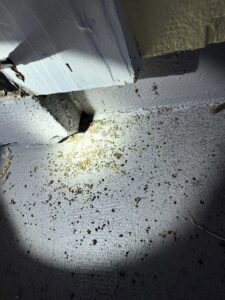
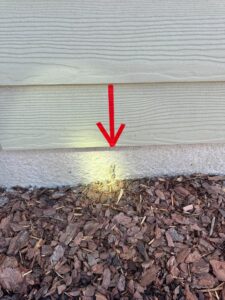
If you notice mud tubes, signs of wood damage, swarming termites, or piles of tiny wings near windows or doors, it’s time to call a licensed termite professional. Termites can be active long before the damage becomes obvious, so catching it early is the difference between a simple treatment plan and a major repair.
If you’re buying a home, a termite inspection should be part of your pre-purchase process. It’s a relatively small investment compared to what hidden termite activity can cost later.
What treatment usually looks like
Termite treatment is typically handled by licensed pest control companies, and the approach depends on the home and the type of termites involved. Some properties do well with a perimeter barrier treatment, while others benefit from bait systems placed around the home. The best option depends on the layout of the property, moisture conditions, and termite activity.
Bottom line
Termites don’t show up because a homeowner did something “wrong.” They show up because the environment is right—and in Florida, the environment often is. The smartest approach is keeping moisture under control, storing materials the right way, watching for early warning signs, and getting routine inspections so small issues don’t turn into big ones.