
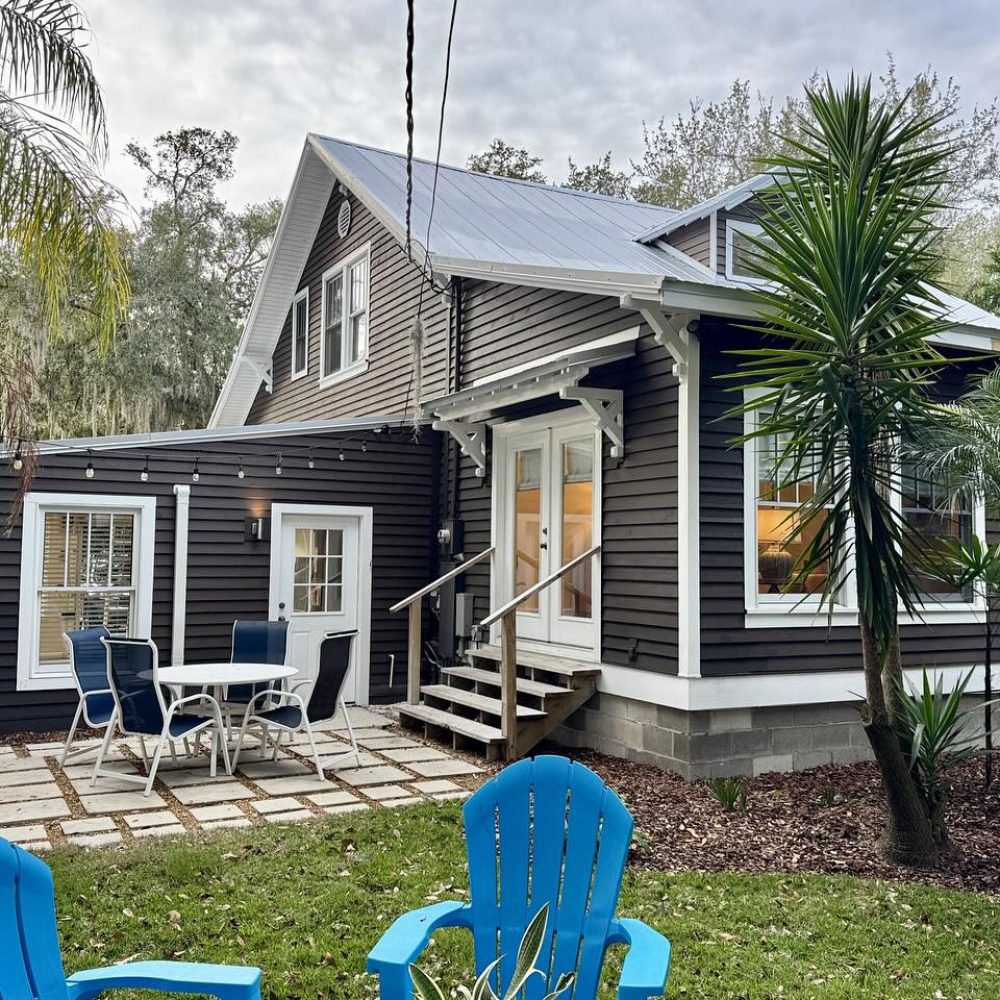
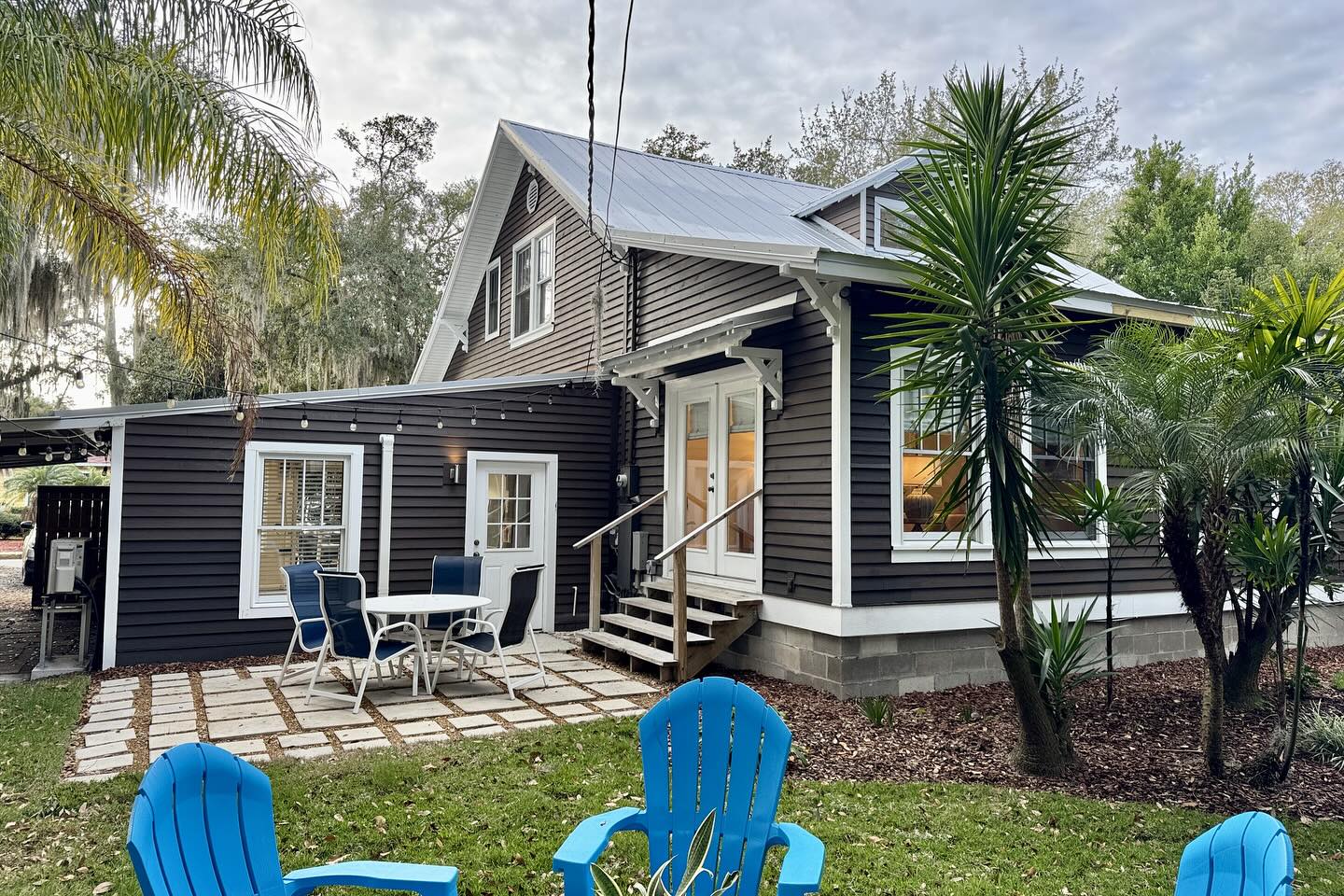
More buyers across Northeast Florida are drawn to older homes for the same reasons every year: charm, location, mature neighborhoods, established lots, and character you just do not find in many newer builds.
From historic areas in St. Augustine and Lincolnville to older homes in Jacksonville, Riverside, Avondale, and other established neighborhoods, these properties often bring a lot of appeal. But they also need to be understood differently.
That is where many inspection conversations can go off track.
An inspection on an older home does not mean the house is a bad investment. It means the home needs to be evaluated in the right context. When buyers, sellers, or even agents compare an older home to new construction standards, normal age-related conditions can feel more alarming than they really are.
Older Homes Were Built for a Different Time
Many older Florida homes were built long before today’s building methods, energy standards, and moisture-control practices were common.
That does not automatically make them defective.
It does mean that:
- Construction methods may be different
- Materials may perform differently than modern products
- Repairs and updates may have happened in phases over many years
- Some systems may be improved, while others may still be original or partially upgraded
Two homes built in the same decade can have completely different conditions depending on maintenance, workmanship, moisture exposure, and how thoughtfully updates were done over time.
That is why age alone is never the full story.
In Florida, History and Climate Both Matter
Older homes in Florida do not just carry age. They also carry years of exposure to heat, humidity, heavy rain, storms, moisture intrusion, and in some areas, salt air.
That is why it is so important to look at the home as it exists today.
The real question is not, “Is this house old?”
The better questions are:
- How has it held up over time?
- What has been updated properly?
- What needs attention now?
- What should be planned and budgeted for later?
That shift in perspective helps buyers make better decisions without unnecessary fear.
What Is Common in Older Florida Homes
Older homes often show characteristics that are typical for their age, style, and history. That does not mean they should be ignored. It means they should be understood correctly.
Depending on the property, it is common to see things like:
- Signs of past repairs or renovations
- Aging exterior materials
- Older windows and doors
- Foundation settlement or movement indicators
- Outdated electrical components or mixed-era electrical upgrades
- Older plumbing materials or partial plumbing updates
- Moisture staining or previous moisture repairs
- Aging roofing materials or older flashing details
- Crawlspace or ventilation concerns
- Wood rot at exterior components
- Deferred maintenance that has built up over time
The key is determining whether those conditions are simply part of the home’s age and history, or whether they are active concerns that need correction.
That is a big difference.
Age Does Not Equal Risk
One of the biggest mistakes people make is assuming an older home is automatically riskier than a newer one.
That is not always true.
A well-maintained older home can be in better overall condition than a newer home with poor drainage, rushed workmanship, improper repairs, or neglected maintenance.
Condition matters more than age by itself.
A home that has been cared for, updated correctly, and monitored over time can perform very well. On the other hand, a newer home with installation issues or deferred maintenance can bring major problems of its own.
Why Inspection Language Matters
This is another area where confusion happens.
Inspection reports often include language such as:
- Monitor
- Recommend repair
- Recommend further evaluation at or near the end of service life
In an older home, that language can sound overwhelming if it is not understood in context.
- Not every note in a report means there is a deal-breaking defect.
- Not every recommendation means there is an emergency.
- And not every older component needs immediate replacement just because it is not new.
Sometimes the report is pointing out a condition that needs budgeting.
Sometimes it is a maintenance item.
Sometimes it is simply a reminder that an older system should be evaluated more closely by the appropriate specialist.
Understanding urgency is everything.
Older Homes Have One Major Advantage
Older homes often offer something newer homes cannot: a performance history.
Time reveals patterns.
Over the years, a home shows how it handles weather, moisture, settlement, drainage, heat, and seasonal changes. That history can tell you a lot about what has lasted, what has been repaired, and where attention may still be needed.
That is valuable information.
When read correctly, the home’s history helps buyers move forward with clearer expectations and less emotion.
The Better Way to Look at an Older Home
Instead of asking, “Is this house a problem?”
Ask:
- What is typical for a home of this age in Florida?
- Which issues matter now?
- Which items should be planned for over time?
- What has already been updated, and how well was it done?
- Are there signs of active moisture intrusion, structural concerns, or unsafe conditions?
That is where a good inspection becomes so important.
The goal is not to make an older home look like new construction on paper.
The goal is to understand the property for what it is, how it is performing, and what decisions make the most sense moving forward.
Final Thoughts
Older Florida homes are not bad homes. In many cases, they are some of the most interesting and meaningful properties on the market.
But they do require the right expectations.
A home inspection should bring clarity, not panic. It should help buyers understand what is typical, what needs attention, and what can be planned for over time. When that conversation is handled properly, inspections do not kill deals.
Misunderstanding them does.
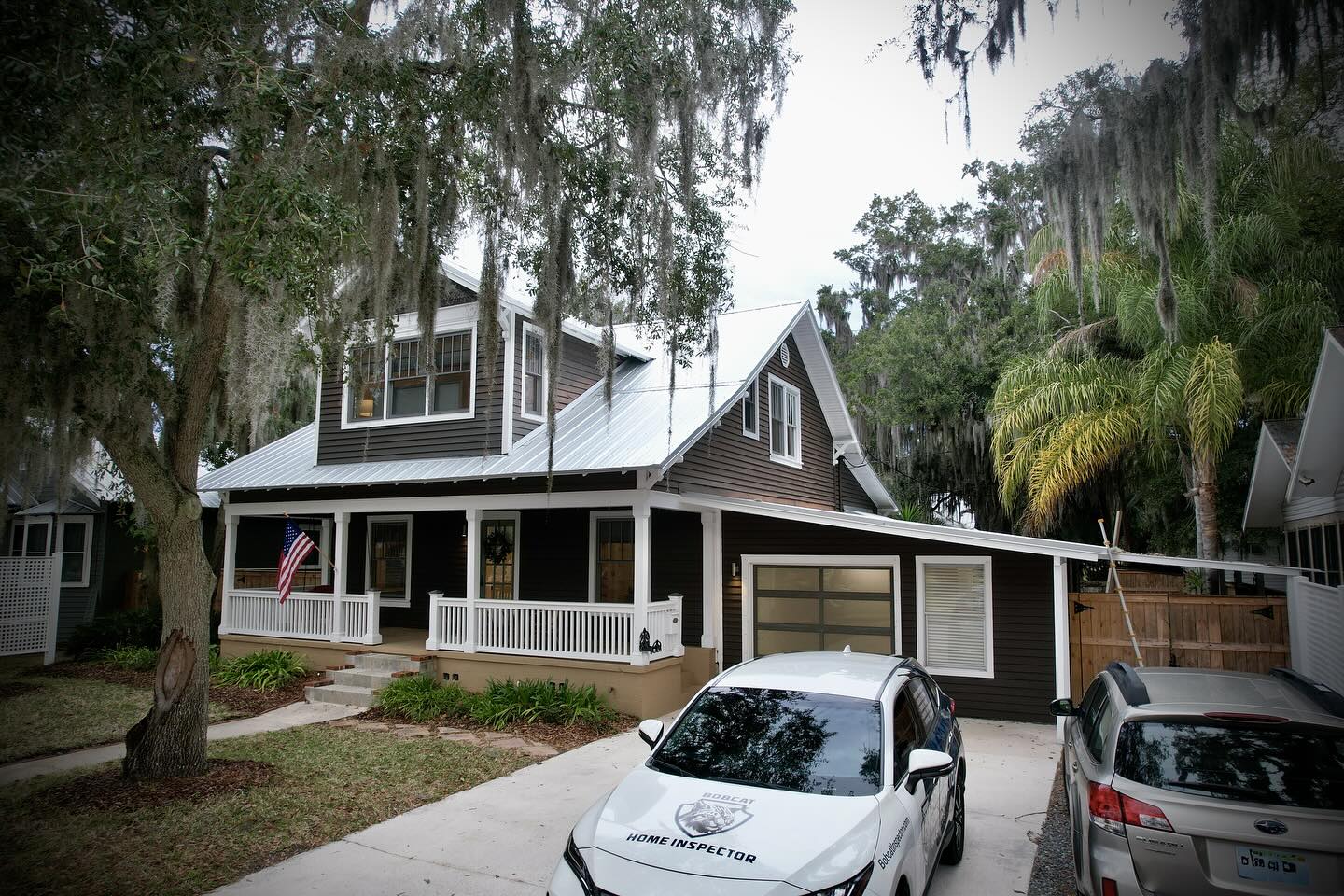
At Bobcat Home Inspector, I believe the value of an inspection is not just in finding issues. It is in helping clients understand the home in front of them so they can move forward with confidence.