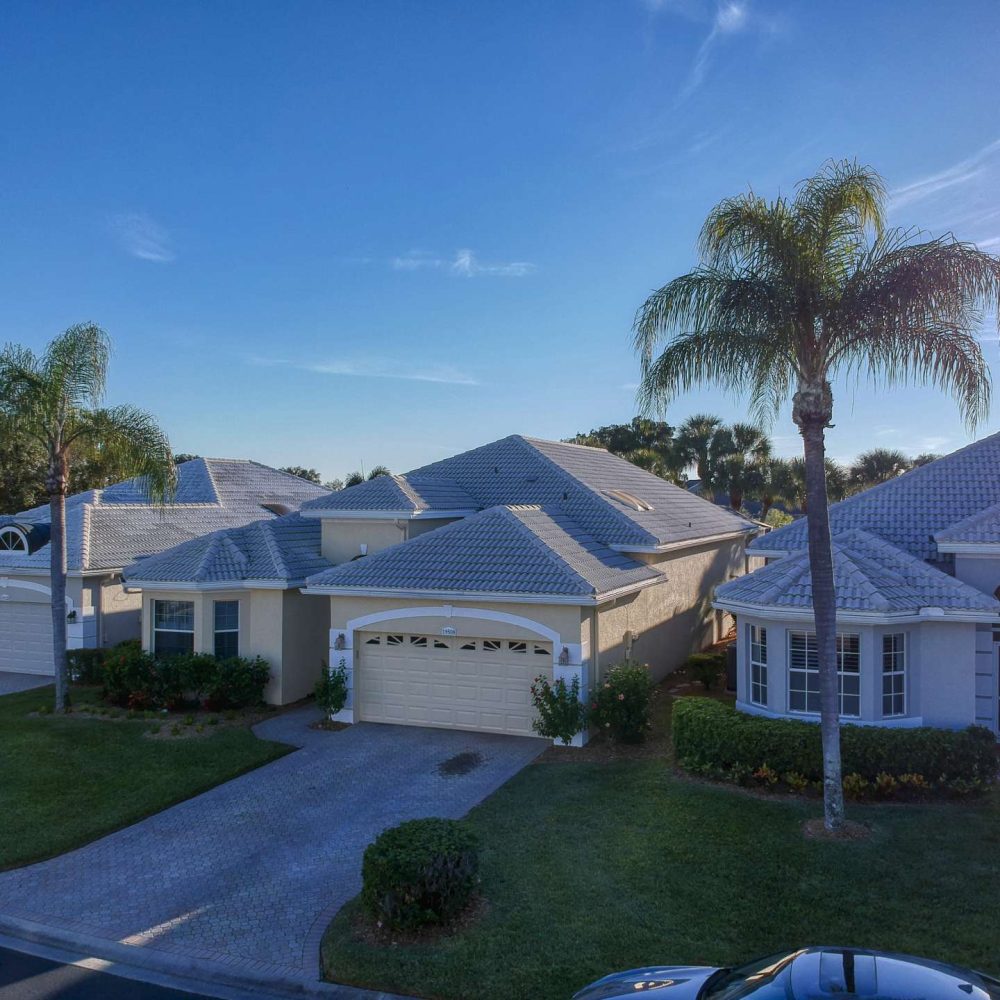
Living along the Florida coast means enjoying sunshine, warm weather, and everything our communities have to offer. It also means accepting the reality of hurricane season. For homeowners in Nassau, Duval, St. Johns, and Flagler Counties, the question is not only whether a storm may affect the area, but how prepared your home is and how quickly you can recover afterward. Storm preparation should involve more than buying bottled water and putting up shutters. Understanding the current condition of your home can help you identify vulnerable areas before severe weather arrives and provide valuable documentation if damage occurs.
Start With an Annual Maintenance Inspection
Many storm-related problems begin with smaller maintenance issues that were already present before the storm. Loose roof coverings, deteriorated sealant, damaged flashing, clogged gutters, rotted exterior trim, drainage problems, and improperly secured components can become much more serious when exposed to heavy rain and strong winds. An annual maintenance inspection provides a detailed review of the home’s accessible systems and components, including:
- Roof covering, flashing, penetrations, vents, and drainage components
- Exterior siding, stucco, sealant, windows, doors, soffits, and fascia
- Attic framing, roof sheathing, visible connections, insulation, and ventilation
- Electrical, plumbing, HVAC, and major appliances
- Moisture-prone areas around windows, ceilings, plumbing fixtures, and exterior walls
- Grading, drainage, gutters, downspouts, and irrigation conditions
Thermal imaging and moisture-testing equipment may also help identify elevated moisture, missing insulation, or other concerns that are not immediately visible. Finding and correcting these issues before hurricane season can reduce the potential for avoidable damage.
Document the Condition of Your Home Before the Storm
One of the most valuable parts of a maintenance inspection is documentation. A detailed inspection report provides dated photographs and written observations showing the condition of accessible areas before a storm occurs. This can help establish which conditions were present beforehand and which damage may have resulted from the storm. This does not guarantee that an insurance company will approve a claim, but clear photographs and professional documentation may make the claims process easier and help reduce confusion regarding pre-existing conditions. Homeowners should also keep copies of important records, including:
- Wind Mitigation reports
- 4-Point inspection reports
- Roof permits and replacement invoices
- Window and door documentation
- Previous repair receipts
- Photographs of the roof, exterior, interior, and personal property
These records should be stored electronically so they remain accessible even if the home is damaged.
Schedule a Post-Storm Inspection
After a major storm, not all damage is immediately obvious. A roof may appear intact from the ground while having lifted shingles, damaged flashing, displaced ridge caps, or impact damage. Water may enter around windows, doors, roof penetrations, or exterior wall openings without creating an immediate interior stain. A post-storm inspection can help identify visible concerns such as:
- Missing, lifted, cracked, or damaged roof coverings
- Damaged flashing, vents, gutters, soffits, or fascia
- Moisture intrusion around windows, doors, ceilings, and walls
- Damage to siding, stucco, exterior trim, or sealant
- Fallen branches or impact damage
- Water accumulation in the attic
- Damaged electrical, HVAC, plumbing, or exterior components
- Drainage or flooding concerns around the foundation
Thermal imaging and moisture meters may help locate areas requiring further evaluation, especially when the damage is not visible to the naked eye. When possible, the inspection should be completed before repairs are started. However, emergency steps should always be taken immediately to prevent further damage, including tarping an exposed roof, removing standing water, and drying wet materials.
Protecting Your Insurance Claim
Following a storm, homeowners are generally expected to take reasonable steps to protect the property from additional damage. Document the condition before moving or removing damaged materials. Take clear photographs and videos of affected areas, keep damaged items when practical, and save all receipts for emergency repairs, temporary lodging, water removal, tarping, and cleanup. Avoid making permanent repairs until the insurance company has had an opportunity to evaluate the damage, unless waiting would allow the condition to become worse. A home inspector does not determine insurance coverage or the value of a claim. However, an independent inspection report can provide additional documentation regarding the visible condition of the home.
More Than an Inspection
A well-maintained home is better prepared for Florida’s demanding weather. An annual maintenance inspection helps homeowners understand what needs attention before hurricane season. A post-storm inspection helps document visible damage and identify concerns that may otherwise remain unnoticed. It is more than a one-time inspection. It is a year-round partnership focused on protecting your home, maintaining its condition, and helping you make informed decisions before and after the storm.
Bobcat Home Inspector – Looking out for you.
Serving homeowners throughout Nassau, Duval, St. Johns, Flagler and surrounding Northeast Florida communities.