
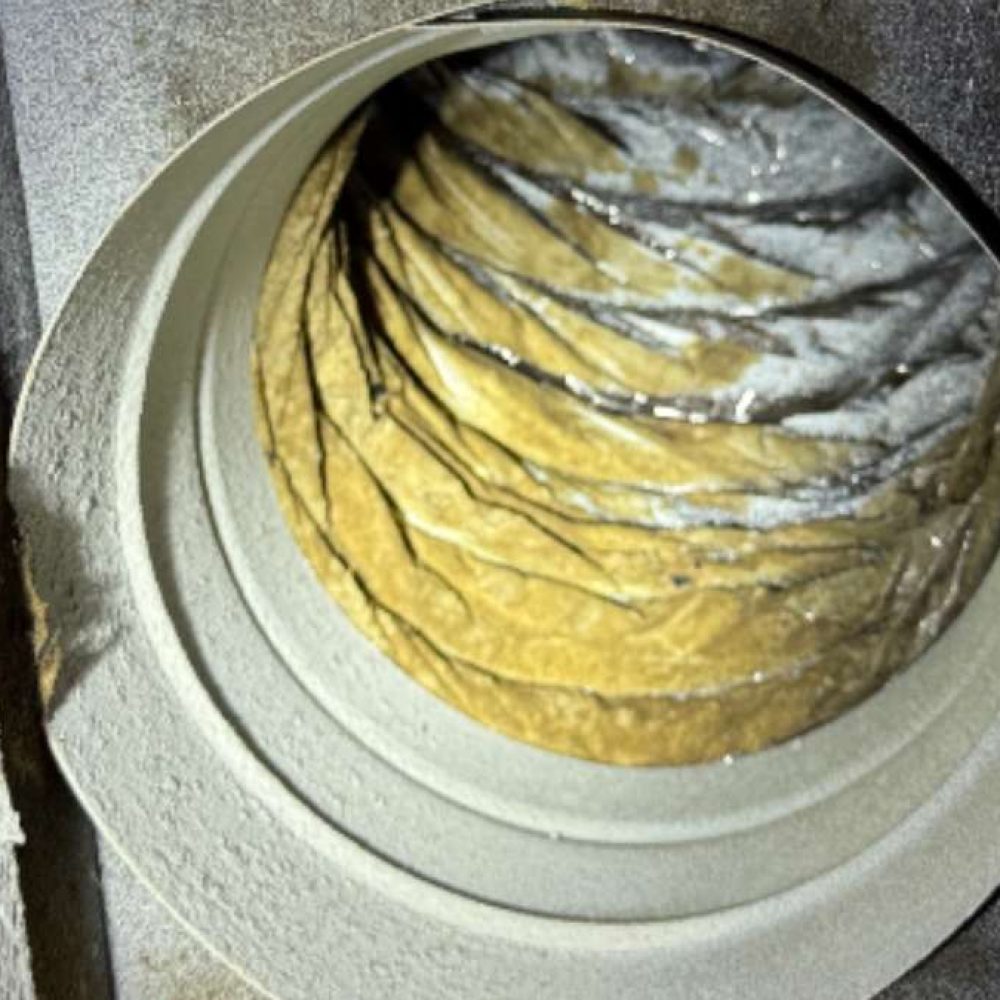
A lot of homeowners think that closing vents in unused rooms will push more air into the rooms they use most and help the house cool better. It sounds logical, but in most cases, it actually does the opposite.
Your HVAC system is designed to move a specific amount of air through the home. When vents are closed, that airflow gets restricted, and the system can start working harder than it should. That extra pressure can lead to reduced efficiency, uneven temperatures, frozen evaporator coils, duct leakage, and in some cases added moisture that may contribute to mold growth.
Instead of helping, closed vents often create more hot and cold spots throughout the house. You may also notice higher energy bills because the system is no longer operating the way it was intended to.
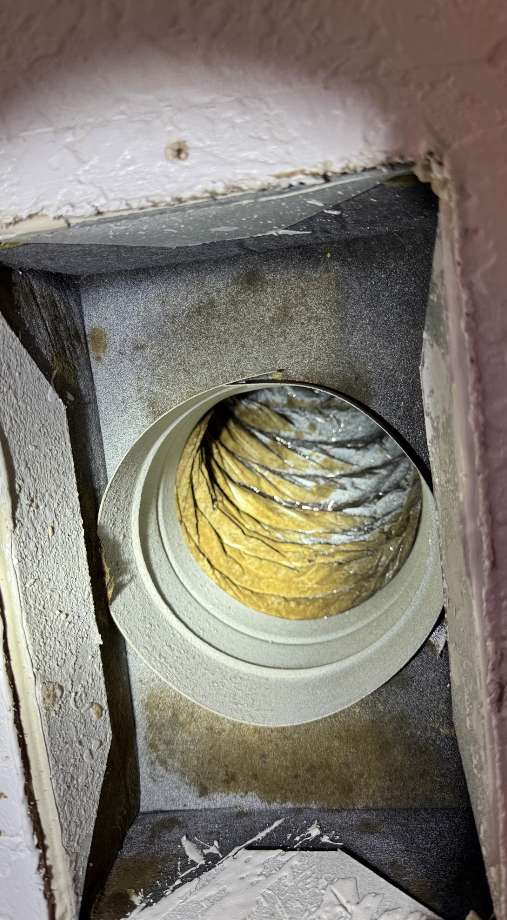
In general, supply vents should stay open and unobstructed to allow proper airflow and help the system perform efficiently. If certain rooms are consistently too hot or too cold, the better solution is to have the system evaluated for balance, airflow, insulation, or duct issues rather than simply closing vents.
If you are unsure whether your HVAC system is performing the way it should, it is a good idea to have it evaluated by a qualified HVAC contractor. During a home inspection, I also pay close attention to signs of improper airflow, moisture concerns, and overall system performance.